A Designer's Honest Review of the Haunted Home Halloween Embroidery Design
Whenever a new embroidery file lands in my library, I think about it from the perspective of my studio. My first question isn't just about aesthetics—it's about practical application. How will this design translate from a digital graphic to threads on fabric? What kind of project will it elevate, and where might it be a challenge? The Haunted Home Halloween T-Shirt design, a graphics bundle from the Crafts category, immediately sparked that professional curiosity. Here’s my real-world evaluation as a designer who plans to actually stitch it.
The Immediate Mood and Craft Potential
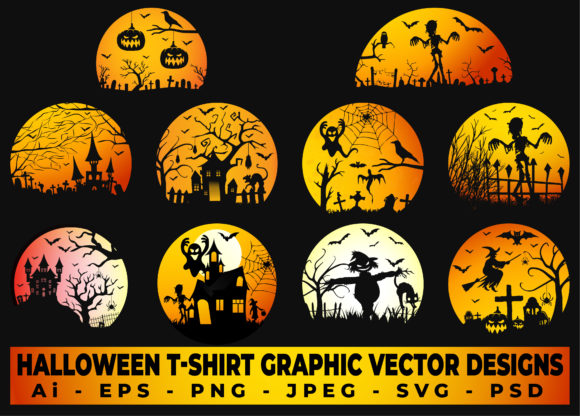
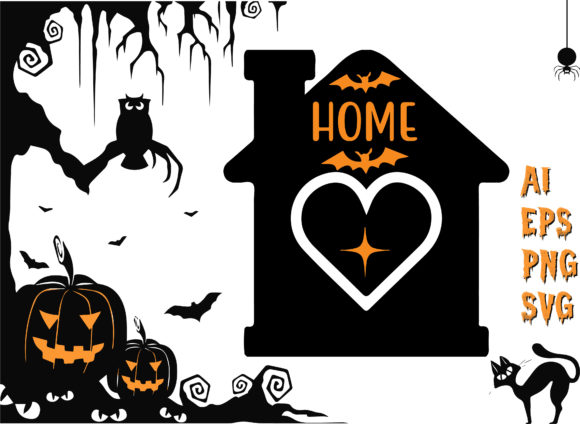
The Haunted Home Halloween T-Shirt design presents a classic, spooky-house silhouette. Its visual personality is more atmospheric than outright terrifying, leaning into a nostalgic, almost storybook Halloween vibe. This isn't a hyper-detailed horror scene; it's a clean, graphic statement. That's a significant advantage for an embroidery project. Designs with overly intricate linework can become muddy when stitched, but this one has a strong, recognizable shape. My first mental image was of this design on a cozy, heavyweight sweatshirt—the kind of item you’d wear for a crisp October evening. It feels like it belongs on handmade products meant for celebration and seasonal fun.
Where This Design Finds Its Perfect Home
In my mind, I’m already placing this Haunted Home Halloween T-Shirt design onto different surfaces. Its bold outline and defined spaces make it a superb candidate for a satin stitch border combined with fill stitch interiors on a tote bag. The contrast would be striking. For a craft business or Etsy seller looking to create holiday merchandise, it would translate beautifully onto tea towels or apron fronts, becoming a festive kitchen decor item. As a personalized gift, embroidered onto a pillow cover for a Halloween-loving friend, it would have fantastic impact. I can also see it scaled down effectively for a baby’s bib or romper—the playful spookiness is gentle enough for nursery decor. The key is its adaptability; it’s a graphic asset that doesn't feel confined to just a t-shirt.
The Practical Stitching Considerations
Moving from potential to practice requires a designer's scrutiny. While the provided bundle includes multiple file formats, crucial details for embroidery—like exact stitch count, recommended hoop size, or suggested thread colors—aren’t specified here. That means testing is non-negotiable.
For any commercial embroidery or small shop product using this file, I would first run it on scrap fabric identical to my final material. The design’s detail level seems manageable, but I’d pay close attention to the smaller elements—the windows, the roof lines. On a textured fabric like a sweater, fine details can get lost; on a smooth cotton for a pillow cover, they’ll pop. Stitch density needs to be checked: too dense, and it stiffens a t-shirt; too light, and it lacks durability on a tote bag that sees daily use.
- Dark Fabric Application: This design, with its presumably open spaces, would likely require a lighter thread palette on dark backgrounds. Testing contrast is essential.
- Challenging Surfaces: On curved surfaces like caps, the elongated shape of the house might require careful positioning and a good stabilizer to avoid distortion.
- For Patches: It could make a fantastic standalone embroidered patch. However, the edges and any potential tiny lettering (if included in the design) need to be inspected for clarity when stitched small.
What to Test Before Your Final Hoop
- Run the embroidery file on a light and dark scrap to judge thread color choices.
- Check the design in a black-and-white mockup to assess form clarity without color.
- Confirm the smallest hoop size it can be cleanly stitched in for projects like baby items.
- Use the appropriate stabilizer for your chosen fabric—stretchy fabrics demand extra care.
- Most importantly, verify the licensing terms of the bundle for both personal and commercial projects before selling any finished product.
Impact on Customer Perception and Product Value
When a design stitches out cleanly, it directly boosts customer trust and the perceived value of your handmade product. The Haunted Home Halloween T-Shirt design has a professional, crisp look in its digital form, which suggests it can embroider with similar clarity. That professionalism translates. For an Etsy seller, a well-executed version of this on a sweatshirt becomes a strong, seasonally relevant listing. For a boutique, it contributes to brand consistency if Halloween themes are part of your offering.
The design’s giftability is high—it’s recognizable and thematic without being overly personal, making it a safe yet charming choice for a holiday gift. As a designer, I appreciate that it allows the craftsmanship of the embroidery itself to shine. The focus becomes the quality of the satin stitch, the smoothness of the fill, not just the graphic itself. That’s a win for any maker wanting to showcase their skill.
Final Thoughts Before Threading the Machine
My review of the Haunted Home Halloween T-Shirt design ends with a positive, yet cautious, outlook. It’s a strong graphics asset with obvious appeal for the holiday. Its style is conducive to successful machine embroidery across a range of projects, from custom apparel to home decor. The lack of embedded embroidery-specific parameters, however, places the responsibility on you, the maker. Your process—testing, adapting, and choosing the right fabric partner—will determine its ultimate success.
Approach it not as a ready-to-hoop magic file, but as a promising design that requires your professional touch to become a great finished product. With that preparation, it can absolutely become a standout piece in your Halloween collection, whether for your craft business, a personalized gift, or your own festive wardrobe. Now, I’m off to find some orange thread and a scrap of denim to see how this haunted house really comes to life in stitches.