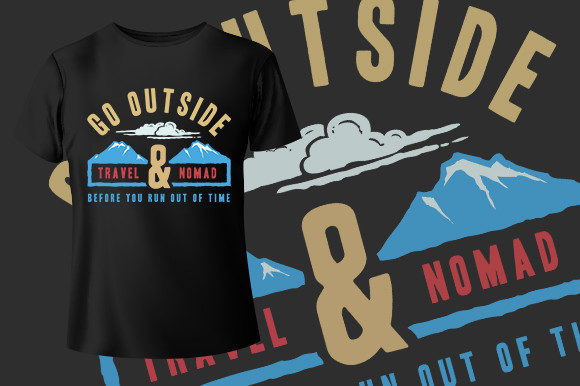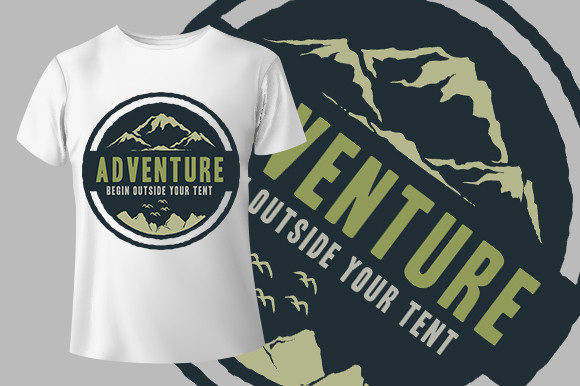
A Designer’s Take on The Adventure Begin T-Shirt Design
As a designer who lives in the world of stitches and thread, I’m always looking at digital files with a practical eye. Before I load anything into my machine, I’m thinking about how it will translate from a screen to a real, tactile product. Today, I’m evaluating The Adventure Begin T-Shirt Design not as a graphic, but as a potential embroidery project.
The Mood It Creates Before the First Stitch
The first impression of this design is immediately clear: it’s optimistic and forward-looking. The theme and layout speak to a sense of journey and discovery. For embroidery, this visual personality is a gift. It doesn’t feel overly corporate or generic; it has a handmade-friendly charm that suggests personal stories. This isn’t just a graphic; it’s a sentiment you can stitch onto something meaningful.
That detail level is crucial. As an embroidery file, the complexity needs to be manageable. The design appears to have a balance of bold shapes and finer elements, which, if translated well into stitches, could create lovely texture without becoming a dense, unforgiving mass of thread. That balance is key for projects like custom apparel, personalized gifts, or boutique merchandise where visual clarity and a pleasant handmade presentation are paramount.
Where This Design Naturally Belongs
Let’s talk real-life scenarios. I’m imagining this design on a canvas tote bag for a traveler, or embroidered onto a cozy sweatshirt as a gift for someone starting a new chapter. The theme lends itself perfectly to celebratory items: a graduation pillow cover, a “new home” kitchen towel, or a personalized patch on a backpack.
For small business owners and Etsy sellers, this is where the value shines. A well-executed embroidered version of this design on a simple tea towel or baby blanket elevates it from a generic product to a thoughtful, giftable item. The visual appeal, when stitched with care, adds perceived value and fosters customer trust. It feels intentional, not mass-produced.
A Practical Scenario: Crafting a Holiday Gift
Picture this: You’re preparing a holiday gift for a friend who loves hiking. You decide to embroider The Adventure Begin design onto a high-quality wool blanket. The mood of the design aligns perfectly with the recipient’s personality. As you plan the embroidery project, you consider thread color contrast against the fabric, whether the satin stitch areas will be too dense for the wool’s texture, and if the smaller details will remain clear after stitching. This is the practical judgment that separates a successful project from a frustrating one.
Performance Across Different Embroidery Situations
This design’s potential is broad. For apparel decorators, it could be a strong centerpiece on a t-shirt or the perfect accent on a cap’s curved surface. For crafters making baby clothes or nursery decor, the optimistic theme works well, but the execution needs attention. On thin or stretchy fabrics like infant tees, stitch density and stabilizer choice become critical to prevent puckering and ensure the design holds its shape after frequent washing.
As a machine embroidery design intended for commercial embroidery or craft business products, its scalability is a major point. The description mentions it’s built from vector shapes and is resizable. This is excellent for embroidery designers who need to adapt a design for different hoop sizes—from a small emblem on a cap to a larger statement on a tote bag. However, scaling is not without its pitfalls.
Where to Exercise Caution
Any design has its limits. With this one, pay close attention when translating it to very small hoop sizes. Tiny lettering and intricate corners can lose clarity or become overly dense, turning into a stiff patch of thread. Similarly, on heavily textured fabrics like certain blankets or on dark fabric where thread color contrast is paramount, a test run on scrap material is non-negotiable.
I would be particularly mindful of layered garments or items with curved surfaces. A design with many fine details might not sit perfectly on a baseball cap’s dome without some stitch adaptation. This isn’t a flaw of the design; it’s simply the reality of bringing a digital graphic into the physical world of embroidery.
Affecting Professionalism and Buyer Engagement
How does using this design affect your brand or product? If you’re a creative entrepreneur selling handmade products, a clean, well-stitched version of this design speaks to professionalism. It shows you’ve chosen a design with a coherent mood and executed it with technical care. That consistency builds brand recognition and buyer engagement. A customer seeing this design on an embroidered patch in your Etsy listing connects with the story it tells, which is more powerful than a generic shape.
Practical Notes for the Embroidery Designer
Before you commit this design to a final product, here are the steps I take and recommend:
- Test on Scrap Fabric First: Always. Use the same fabric and stabilizer you plan for the final project. Check for stitch density issues and clarity of small details.
- Check Thread Color Contrast: Run mental—or actual—mockups for both light and dark fabric backgrounds. The design’s appeal hinges on this contrast.
- Confirm Your Hoop Size: Resize the design within your software and inspect it at the actual size you’ll use. Does it look balanced? Are the elements still distinct?
- Inspect the Small Details: In embroidery, what looks fine on screen can become a muddled mess in thread. Zoom in on those corners and fine lines in your embroidery software preview.
- Consider the Final Product’s Life: If it’s a kitchen towel or baby item that will need frequent washing, consider how the stitch types might hold up.
- Verify Licensing for Your Use: The product description lists this as a graphic from the Print Templates category. If you are selling finished embroidered items or using it in commercial embroidery projects, always confirm the licensing terms are clear and allow for that use. Do not assume.
Remember, files like AI, EPS, PNG, and SVG are your starting point. They are the design assets. Your skill in translating them into an embroidery file with appropriate stitch types—satin stitch for borders, fill stitch for larger areas, running stitch for fine details—is what brings The Adventure Begin T-Shirt Design to life.
In the end, this design has a strong foundation for a successful embroidery project. It carries a mood that resonates, a structure that appears scalable, and a theme that fits a wide range of products from personalized gifts to small shop merchandise. Approach it with a designer’s practical eye—test, adjust, and stitch with intention. That’s how a digital graphic becomes a cherished handmade product.