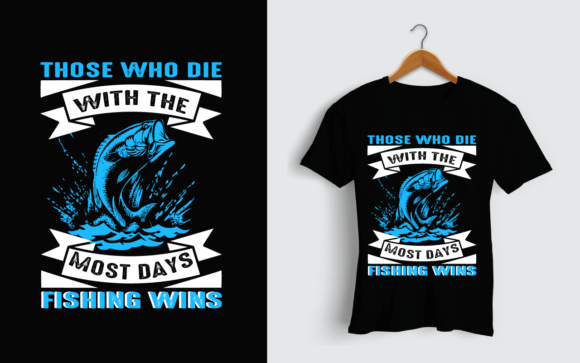
Evaluating a Fishing T-Shirt Design for Real-World Embroidery
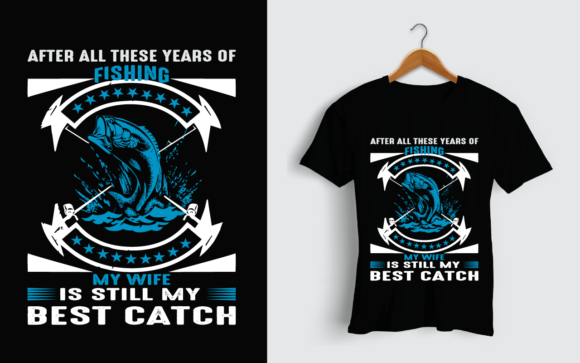
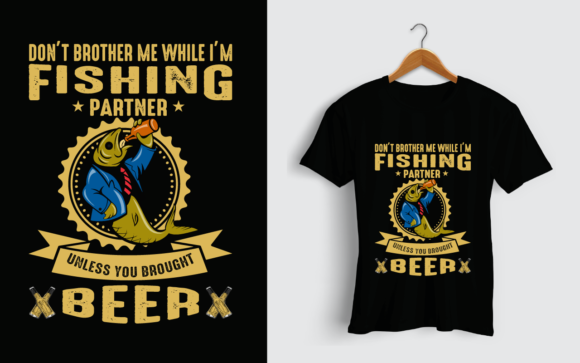
As a designer who spends more time at an embroidery machine than a drawing tablet, I always approach new designs with a practical eye. Today, I’m taking a close look at New Fishing T-Shirts Design, not just as a graphic, but as a potential embroidery file for real client projects and handmade products. The product title suggests it’s part of the Print Templates and Graphics category, which immediately prompts questions about its suitability for stitching. Let’s walk through what this means for crafters and small business owners.
The First Impression: A Design’s Mood and Personality
When you open a new digital embroidery file, you’re looking for its visual soul. A fishing-themed design should evoke relaxation, skill, and maybe a bit of friendly competition. The layout and detail level here will dictate its final personality on fabric. Is it a bold, simple silhouette perfect for a cap? Or a more intricate scene suited for a decorative pillow? The initial impression sets the stage for the entire embroidery project. This design’s theme naturally leans towards gifts for enthusiasts, personalized products for anglers, or casual custom apparel. It’s not just a graphic; it’s a potential story stitched onto a garment or gift.
Where This Design Finds Its Perfect Home
Imagine you’re preparing a batch of items for a local craft fair or your Etsy shop. You have a customer who wants a custom embroidered gift for their father’s birthday. A New Fishing T-Shirts Design could be the answer, but where does it shine? Based on typical fishing motifs, I’d immediately consider it for a sturdy, cotton tote bag—a practical gift for carrying gear. It could also be excellent on the chest of a heavyweight sweatshirt embroidery or as a statement on a structured apron for the backyard grill master. The scale is crucial; it needs to be large enough to show detail but not so dense it becomes stiff on a soft garment.
For small business merchandise, this could translate into a series of products: a simple patch sewn onto a denim jacket, a centered design on a kitchen towel for a rustic cabin theme, or even as baby embroidery on a little ones’ romper (if the theme is gentle and playful). The key is matching the design’s complexity to the item’s function. A design with many small elements might struggle on a curved surface like a cap, whereas a cleaner, more graphic version would thrive there.
The Practicalities of Stitching It Into Reality
This is where we move from idea to hoop. Let’s talk real-life application. For a successful finished product, you must consider the fabric. A design intended for t-shirts, as the title suggests, often assumes a flat, stable knit. But for machine embroidery, thin or stretchy fabric is a challenge. You’ll need a robust stabilizer to prevent puckering, especially if the design has areas of high stitch density. I always advise testing on scrap fabric first—a piece of old t-shirt material is perfect. This reveals how stitch clarity holds up and whether small details, like tiny lettering or intricate hooks on a fishing lure, remain distinct after stitching.
Color contrast is another silent hero. A fishing design might involve natural tones—greens, blues, browns. On a light fabric, they’ll pop. On a dark fabric, like a navy sweatshirt, you need to check if the provided color palette still offers enough contrast or if you’ll need to adjust thread colors for visibility. Running a test in a black and white digital mockup can simulate this before you ever load a thread spool.
Where Caution is Your Best Tool
Every design has its limits, and acknowledging them saves time, money, and customer satisfaction. For a New Fishing T-Shirts Design, I’d be cautious on several fronts. First, small hoop sizes. If the design is rich in detail, cramming it into a 4x4 hoop might turn beautiful elements into a muddy blob of stitches. Textured fabrics like towels or blankets can swallow fine details, making the design look unfinished. Similarly, products that need frequent washing, like baby clothes or kitchen linens, require a design that’s stitched securely without overly dense fills that could stiffen the fabric and wear uncomfortably.
Also, consider the final use. Is it for a one-off personalized gift, or for batch production in your craft business? If you’re planning to sell the finished items commercially, you must confirm the licensing terms provided by the seller. The product description mentions files for yourself, friends, family, or anyone supporting your special day occasions. This language needs clear interpretation—does it allow for selling the physical embroidered item in your small shop product line? Always verify this before listing an embroidered patch or apparel on your storefront.
The Impact Beyond the Stitches
The quality of the design file directly influences your business’s perception. A well-executed embroidery design on a finished tote bag or sweatshirt elevates customer trust. It shows professionalism and care, enhancing the handmade presentation. For a fishing theme, this could mean a customer sees your item not just as decor, but as a authentic, giftable piece for a true enthusiast. It boosts brand consistency if you specialize in outdoor or hobby-themed goods. A clear, crisp stitch outcome makes the product feel valuable and increases buyer engagement—they’re more likely to share photos and recommend your shop.
Conversely, a design that stitches out poorly, with unclear details or improper density for the fabric, can undermine that trust quickly. It’s why the practical review stage—the scrap fabric test—is non-negotiable. It protects your reputation as a maker or creative entrepreneur.
Final Designer Notes Before You Hoop Up
My process with any new design like this involves a checklist. First, I’d examine the file for potential trouble spots: are there very small closed shapes that might require perfect satin stitch borders? Are there large fill areas that could become too heavy on a lightweight t-shirt? I’d then plan my application: maybe this design is perfect not for a t-shirt, but for a felt applique design on a kids’ backpack, simplifying the stitching process.
I’d consider its versatility. Could elements be isolated for a smaller holiday embroidery gift, like a monogrammed cap with a single fishing hook motif? Does it work for both light and dark fabric backgrounds with a thoughtful thread plan? And crucially, I’d remember that the product description states “All Files are Easy.” In embroidery, “easy” often translates to manageable stitch count, clear separations between elements, and a layout that doesn’t require constant hoop repositioning. Your job is to validate that ease on your machine and with your typical materials.
In essence, New Fishing T-Shirts Design presents a thematic opportunity for makers. Its success hinges on treating it not just as a digital asset, but as a physical blueprint for thread and fabric. By assessing its mood, testing its limits, and aligning it with the right finished product—be it a boutique apron, a grandfather’s pillow cover, or a line of craft fair products—you transform a graphic into a story told in stitches, one that resonates with customers and stands up to real-world use.